
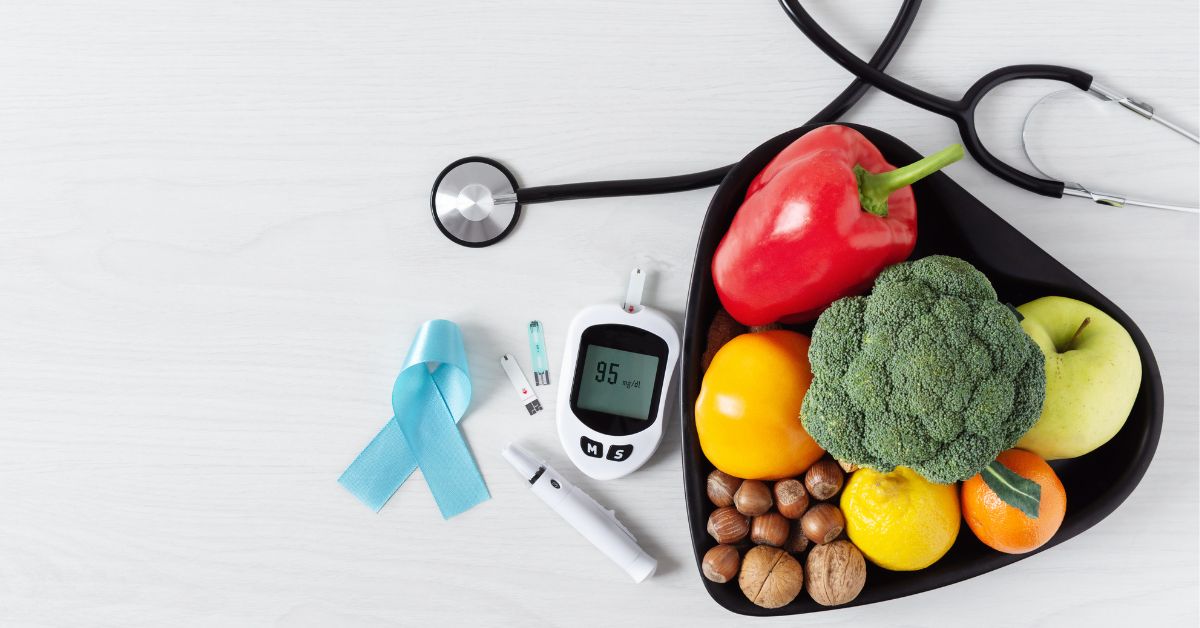
Because managing your blood sugar starts with what’s on your plate.
You don’t need to be a chef — or give up your favorite foods — to eat well with diabetes. The key lies in balance: understanding how different ingredients affect your blood sugar and making small, smart changes that keep meals satisfying and nourishing.
Whether you’re newly diagnosed or simply looking to eat smarter, cooking for diabetes can be both delicious and empowering. It’s about progress, not perfection — and every swap counts.
Here are some easy ways to transform your kitchen into a space that supports your health, one meal at a time.
🍞 Swap Refined Carbs for Whole Grains
White bread, pasta, and rice can cause blood sugar spikes. Whole grains like quinoa, oats, and brown rice digest more slowly, keeping you fuller for longer and helping stabilize glucose levels.
👀 What to Watch For: Sneaky refined carbs hiding in foods labeled “multi-grain” or “wheat.” Always check that “whole grain” is the first ingredient on the label.
💡 Pro Tip: Try mixing half white rice with half brown rice as a transition—your palate adjusts over time, and your body benefits immediately.
🥑 Choose Healthy Fats Over Fried Foods
Not all fats are created equal. Unsaturated fats (like olive oil, avocado, and nuts) help support heart health, while trans fats and heavily fried foods raise bad cholesterol and insulin resistance.
💬 Sound Familiar? You avoid sugar but forget that certain fried foods can impact your blood sugar too.
💡 Pro Tip: Roast, bake, or air-fry your favorites instead. A drizzle of olive oil adds flavor without the grease—and supports better blood sugar control.
🍬 Rethink Sugar and Sweeteners
You don’t need to quit sweet things altogether—but it helps to rethink how you sweeten them. Natural sweeteners like stevia or monk fruit can satisfy cravings without spiking glucose levels.
🤓 Interesting Note: Cinnamon, nutmeg, and vanilla extract can make foods taste sweeter without adding sugar. Your taste buds just need retraining.
💡 Pro Tip: Replace half the sugar in your favorite recipe with mashed banana or unsweetened applesauce for a fiber boost that keeps desserts moist and blood sugar steady.
🥦 Fill Half Your Plate with Non-Starchy Veggies
Vegetables like broccoli, spinach, peppers, and zucchini add bulk, flavor, and nutrients—without the carb load. They also slow digestion, helping your body manage blood sugar more efficiently.
👀 What to Watch For: Meals dominated by starches (rice, potatoes, pasta) and minimal color on your plate.
💡 Pro Tip: Aim for at least three colors on every plate. More color usually means more fiber, vitamins, and antioxidants.
🥣 Keep Portions in Perspective
Even healthy foods can cause spikes if you eat too much. Portion control is a cornerstone of managing diabetes and it’s easier than you think.
💬 Sound Familiar? You eat balanced meals but tend to go back for seconds.
💡 Pro Tip: Use smaller plates, pre-portion snacks, and take a 10-minute break before refilling your plate. It takes time for your brain to recognize fullness.
Good Food. Better Health. One Step at a Time.
Our doctors and dietitians work together to help you make practical, sustainable changes to manage diabetes without giving up flavor or joy.
👩⚕️ Meet our team: Diabetes Educator Nurse Anita Cates offers personalized guidance, meal planning support, and diabetes education.
📞 Call (242) 702-9310 to schedule a consultation or learn more about our nutrition and diabetes care programs.