
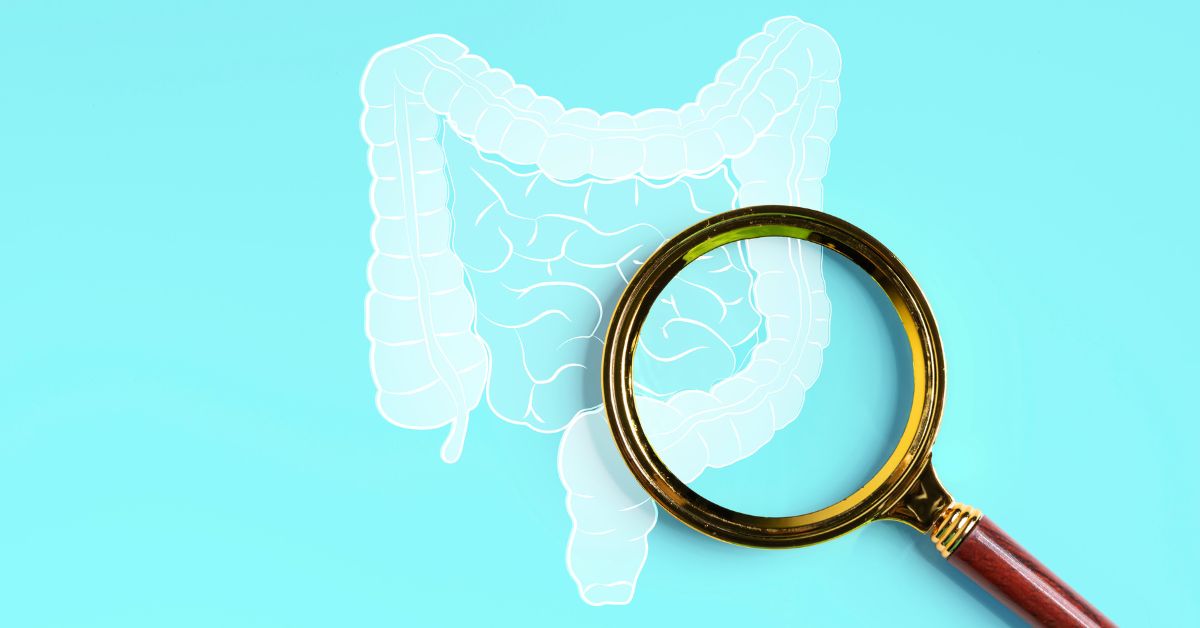
Your digestive system does much more than break down food — it absorbs nutrients, supports immunity, and even influences mood. Yet many early signs of digestive issues go unnoticed. Understanding how your gut works can help you prevent problems before they start.
Most people don’t think about their colon or digestive system until something goes wrong.
Here are nine things you may not know about your colon and digestive health and how to keep your gut functioning at its best.
🚶♂️ 1. Your Digestive System Is Always Moving
Your intestines move food through the body even while you sleep. When you don’t drink enough water, skip movement, or ignore constipation, this natural rhythm slows and can cause discomfort.
Staying active and hydrated can keep everything “moving” as it should.
🦠 2. Your Gut Houses Trillions of Helpful Bacteria
Your colon is home to more bacteria than there are stars in the Milky Way. These microbes help digest food, protect against infection, regulate inflammation, and even support mental health.
Eating yogurt, kefir, leafy greens, beans, and high-fiber foods nourishes this healthy gut community.
🍽️ 3. Fiber Is Your Colon’s Best Friend
Fiber feeds healthy gut bacteria, helps regulate bowel movements, and reduces the risk of colon cancer and diverticulosis.
Most adults only consume half the daily recommended amount. Adding fruits, vegetables, whole grains, and legumes can make a dramatic difference.
🩺 4. Colon Cancer Is Highly Preventable
Colon cancer often starts as small, harmless polyps that grow slowly over many years and almost all of them can be removed during a routine colonoscopy.
Adults should begin screening at age 45, or earlier if they have family history or digestive symptoms.
😬 5. Heartburn Isn’t Always ‘Just Heartburn’
Frequent acid reflux can lead to esophagitis, chronic inflammation, and in some cases, precancerous changes. If you take antacids regularly, wake up coughing, or feel burning after meals, it may be time for an evaluation.
🍹 6. Alcohol and Ultra-Processed Foods Strain Your Gut
High-sugar drinks, fried foods, alcohol, and overly processed snacks can irritate the digestive tract and disrupt healthy bacteria. Over time, this increases inflammation and raises the risk of digestive issues.
Limit these foods when you can, and balance them with plants, lean proteins, and plenty of water.
💧 7. Hydration Helps Prevent Constipation
Your colon absorbs water from digested food. When you’re dehydrated, it pulls even more water out — making stool harder and more difficult to pass.
Aim for 6–8 glasses of water daily, more if you’re active or exposed to heat.
😟 8. Stress Directly Affects Your Gut
Your gut and brain are closely connected. Stress can slow digestion, trigger cramps, and worsen conditions like irritable bowel syndrome (IBS).
Relaxation techniques, mindfulness, and physical activity can calm the digestive system too.
🥗 9. Diet Changes Can Improve Symptoms Faster Than You Think
Bloating, gas, constipation, and acid reflux often improve within a few weeks of adjusting your diet. Simple changes such as increasing fiber, cutting back on trigger foods, and eating slower can significantly improve gut comfort and function.
🌿 Your Digestive Health Matters
A healthy gut supports your immune system, energy, and long-term wellness. Understanding how your digestive system works — and how to care for it — can help prevent chronic issues later in life.
If you’re experiencing persistent heartburn, constipation, abdominal pain, bloating, or changes in your bowel habits, our gastroenterology team is here to help.
Family Medicine Center provides advanced gastroenterology services, including colonoscopy, endoscopy, digestive health assessments, and personalised care plans with Gastroenterologists Dr. Flloyd Carter and Dr. Harold Munnings.
Need to request a check-up?
👉 Book your digestive health appointment today. 📞 (242) 702-9310 or visit fmcbahamas.org.