
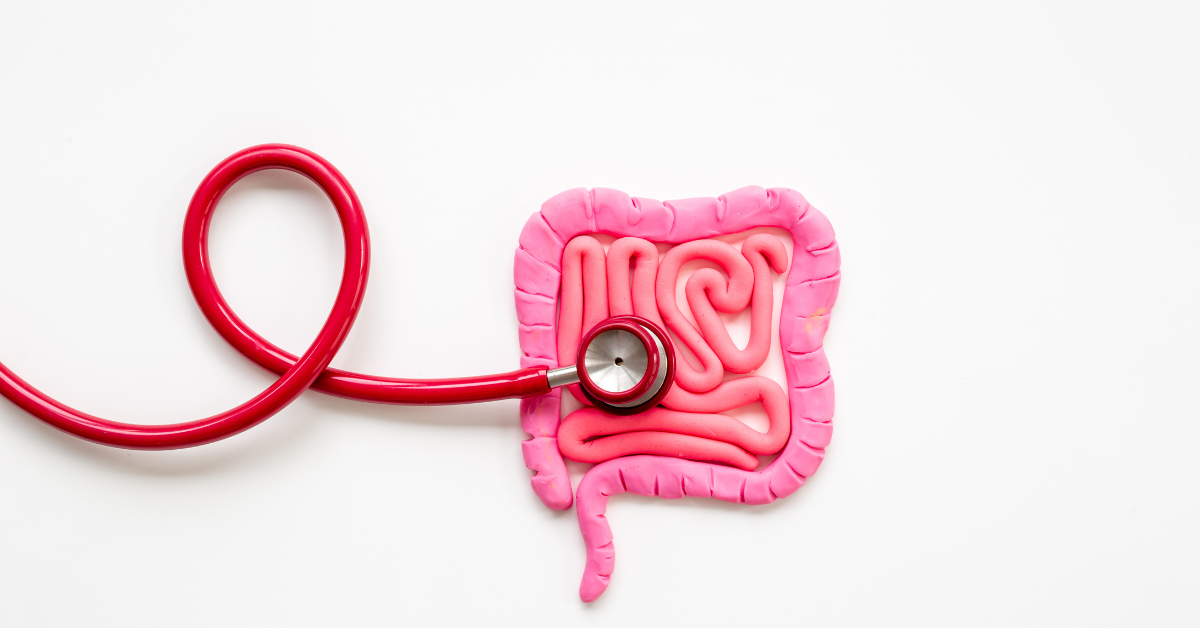
Colorectal Health: Small Habits, Big Impact
Taking care of your digestive health doesn’t have to be complicated. Small, consistent daily habits can make a meaningful difference in preventing colorectal issues, including colorectal cancer. While it may feel overwhelming to make major lifestyle changes, focusing on simple, achievable steps—particularly in nutrition, physical activity, and preventive care—can have long-term benefits.
Nutrition for a healthy colon
What you eat plays a key role in digestive health. Diets high in fiber, fruits, vegetables, and whole grains support the colon by helping food move efficiently through the digestive tract and reducing the risk of chronic conditions. Increasing fiber intake has been linked to lower rates of colorectal cancer and improved gut function.
At the same time, limiting processed meats, such as bacon, sausage, and deli meats, can reduce cancer risk. Research has shown that frequent consumption of processed meats is associated with a higher likelihood of colorectal cancer. Staying hydrated is also essential, as water helps maintain healthy digestion and prevents constipation.
Simple, consistent nutrition habits—like choosing whole foods over processed options, eating a variety of fruits and vegetables, and drinking water throughout the day—can strengthen overall digestive health over time.

Movement matters
Regular physical activity is another important factor in colorectal health. Exercise helps maintain a healthy weight, supports proper digestion, and reduces inflammation—all of which contribute to a lower risk of colorectal disease.
Experts recommend aiming for at least 30 minutes of moderate activity most days of the week. This can include walking, cycling, swimming, or even household activities like gardening. The key is consistency. Small amounts of activity throughout the day can add up and support long-term digestive and overall health.

Preventive care and screenings
Even with healthy habits, preventive care is essential for colorectal health. Screening can detect precancerous polyps or early-stage colorectal cancer before symptoms appear. Discussing your family history with your healthcare provider is also important, as it helps identify your risk level and determine the appropriate timing for screenings.
Routine check-ups and screenings allow healthcare providers to catch potential issues early, when treatment is most effective. Remember, prevention isn’t about perfection—it’s about consistency over time. Small, steady efforts in nutrition, exercise, and preventive care collectively create powerful protection for your digestive health.
Take action today
Maintaining colorectal health is a lifelong process that benefits from mindful, consistent choices. Small daily habits in what you eat, how you move, and how you monitor your health can significantly lower your risk of digestive issues and colorectal cancer.
Need to request a check-up or discuss screening options? Book your digestive health appointment today by calling (242) 702-9310 or visiting fmcbahamas.org. Prioritizing your digestive health today helps ensure a healthier tomorrow.