Autism, or Autism Spectrum Disorder (ASD), is a developmental condition that affects how a person communicates, interacts, learns, and experiences the world around them. Autism is called a “spectrum” because it can affect people in many different ways. Some individuals may need significant support in daily life, while others may live independently and have strong communication and social skills.
Autism is not a disease or something that needs to be “fixed.” It is a different way of thinking, processing information, and experiencing the world. Every person with autism is unique, with their own strengths, challenges, interests, and abilities.
Some common signs of autism may include:
- Difficulty with social interactions
- Delayed speech or language development
- Repetitive behaviors or movements
- Strong interest in specific topics
- Sensitivity to sounds, lights, textures, or smells
- Preference for routines and predictability
- Difficulty with changes in schedule or environment
It is important to remember that autism looks different in every person. Some individuals may be very verbal and social, while others may communicate differently or prefer less social interaction. There is no “one size fits all” when it comes to autism.
Early identification and support can make a meaningful difference for children with autism. Services such as speech therapy, occupational therapy, behavioral support, and educational accommodations can help children build communication, social, and life skills. However, support should always focus on helping the individual thrive, not changing who they are.
Families and caregivers can support individuals with autism by:
- Creating consistent routines
- Being patient and understanding
- Using clear communication
- Respecting sensory sensitivities
- Celebrating strengths and interests
- Encouraging inclusion and acceptance
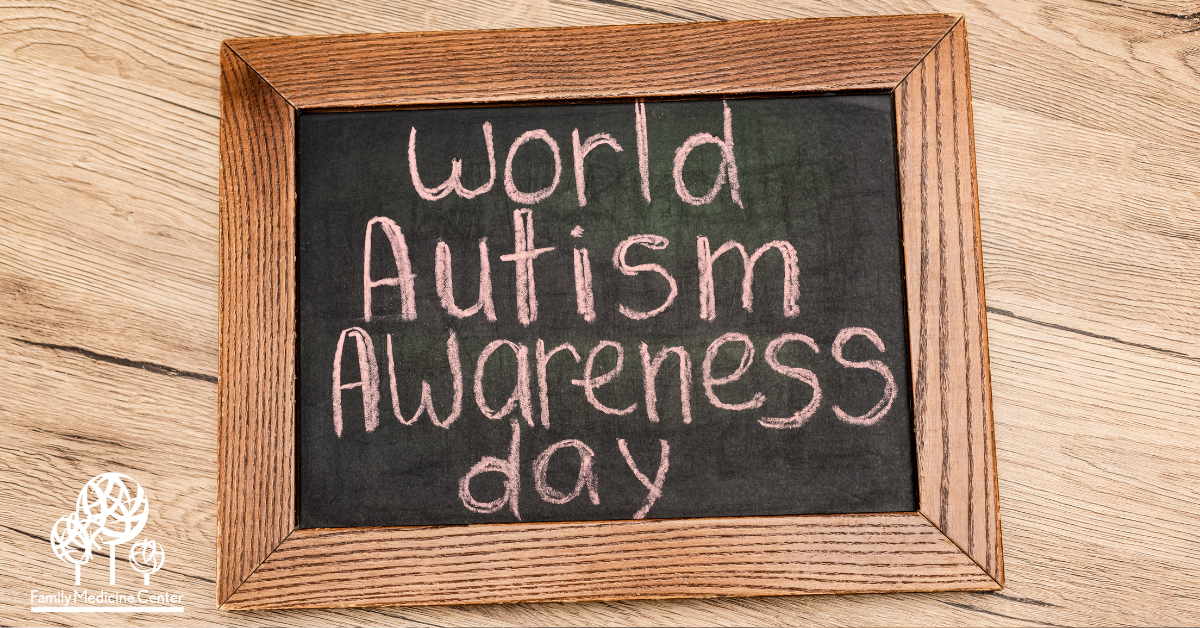
One of the most important parts of Autism Awareness Month is promoting acceptance and understanding. People with autism deserve to be included, respected, and supported in schools, workplaces, healthcare settings, and communities.
By learning more about autism, we can help create a more inclusive world where everyone feels valued and understood.