
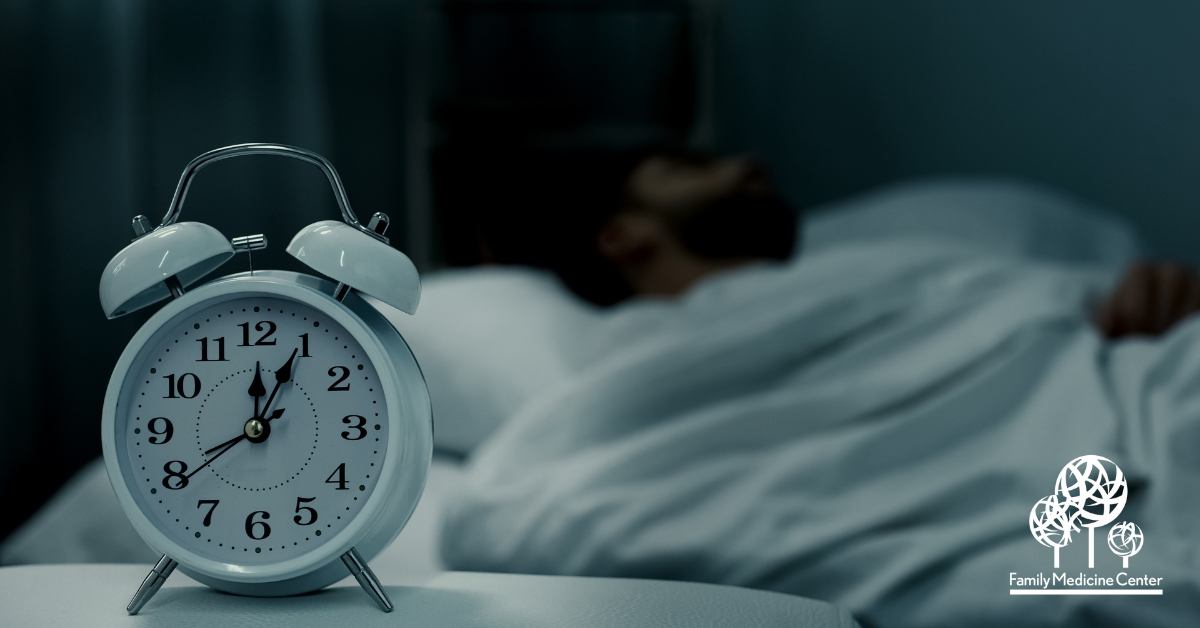
When Sleep Isn’t Restful: Recognizing the Signs of Poor Sleep
Spending eight hours in bed does not always mean you are getting the rest your body needs. True restorative sleep should leave you feeling refreshed, alert, and able to focus throughout the day. During healthy sleep, the body cycles through several stages that support physical repair, brain function, and emotional balance.
If you regularly wake up feeling tired or unrefreshed, your body may not be moving properly through these important sleep stages. Many people assume fatigue is simply part of a busy lifestyle, but persistent sleep problems can sometimes signal an underlying issue that deserves attention.
Signs your sleep may need attention
Sleep difficulties can appear in many different ways. Some people struggle to fall asleep at night, while others wake frequently or feel exhausted despite spending enough time in bed. If these patterns occur regularly, they may indicate that your sleep quality needs improvement.
Common signs of disrupted sleep include:
• Difficulty falling asleep most nights
• Waking frequently during the night
• Waking too early and being unable to fall back asleep
• Loud snoring or pauses in breathing during sleep
• Morning headaches
• Daytime fatigue despite adequate time in bed
• Difficulty concentrating or staying alert
• Irritability or mood changes
These symptoms may develop gradually, making them easy to overlook. However, ongoing sleep disruption can affect daily energy levels, mental clarity, and overall health.
Common sleep disorders
Several common sleep disorders can interfere with restorative sleep. Many of these conditions are treatable once they are identified.
Some of the most common sleep disorders include:
• Insomnia – Difficulty falling asleep, staying asleep, or both
• Sleep apnea – A condition where breathing repeatedly stops and starts during sleep
• Restless leg syndrome – Uncomfortable sensations in the legs that create an urge to move them, especially at night
• Shift work sleep disorder – Sleep disruption caused by irregular work schedules or overnight shifts
Sleep apnea, in particular, often goes undiagnosed. Symptoms may include loud snoring, gasping during sleep, and significant daytime fatigue. Because these interruptions affect oxygen levels and sleep quality, treatment can be important for long-term health.
When left untreated, chronic sleep disorders may increase the risk of several health concerns, including:
• Cardiovascular disease
• Metabolic disorders such as diabetes
• Weakened immune function
• Anxiety or depression
• Difficulty concentrating and reduced productivity
When to talk to a healthcare provider
Occasional sleep difficulties are normal, especially during periods of stress or schedule changes. However, ongoing sleep problems should not be ignored.
It may be time to talk with a healthcare provider if poor sleep is interfering with:
• Your work performance
• Your relationships
• Your mood or emotional well-being
• Your daily energy levels
Sleep evaluations, lifestyle adjustments, and targeted treatments can often make a significant difference. In many cases, identifying the cause of poor sleep is the first step toward improving overall health and well-being.
Sleep struggles are common, and support is available. Prioritizing healthy sleep habits—and seeking help when needed—can lead to more restful nights and more energized days.