
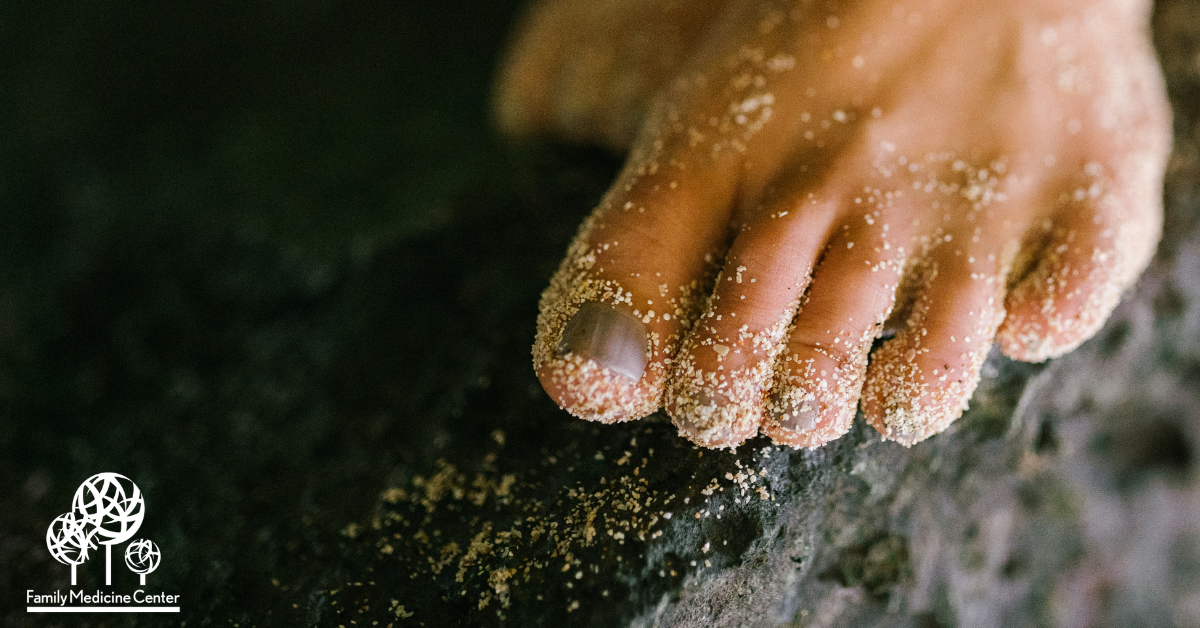
For people living with diabetes, foot care is much more than a hygiene routine — it is an essential part of staying healthy. Diabetes can affect circulation and damage nerves in the feet, making it harder to feel pain, cuts, blisters, or other injuries. Small problems can go unnoticed and develop into serious infections if they are not treated early.
Nerve damage, also known as neuropathy, is one of the most common diabetes-related foot complications. Neuropathy can reduce sensation in the feet, which means a person may not notice if they have stepped on something sharp, developed a blister, or worn shoes that are causing irritation. Poor circulation can make it more difficult for cuts or sores to heal, increasing the risk of ulcers, infections, and even amputation in severe cases.
Common diabetes-related foot complications include:
- Numbness or tingling
- Slow-healing cuts or sores
- Foot ulcers
- Skin infections
- Poor circulation
- Changes in foot shape
- Increased risk of amputation
Because of these risks, people with diabetes should check their feet every day. Look for cuts, cracks, redness, swelling, blisters, sores, corns, or changes in skin color. Use a mirror to see the bottoms of your feet if needed, or ask a family member for help. Catching a problem early can make a major difference in preventing complications.
During a daily foot check, pay attention to:
- Cuts or scratches
- Dry or cracked skin
- Swelling
- Blisters
- Red or darkened areas
- Drainage or unusual odor
- Changes in temperature
Daily washing is also important. Feet should be washed in warm, not hot, water and dried thoroughly, especially between the toes. Moisturizer can help prevent dry, cracked skin, but avoid applying lotion between the toes because excess moisture can increase the risk of infection. Toenails should be trimmed straight across to help prevent ingrown nails and sores.
Wearing proper footwear is another key part of diabetic foot care. Going barefoot, even indoors, can increase the risk of cuts and injuries. Shoes should fit comfortably without rubbing or pinching, and socks should be worn daily to reduce friction and keep feet dry. Before putting shoes on, check inside for rocks, sharp objects, or rough areas that could injure your skin. Some people may benefit from custom inserts or diabetic shoes designed to reduce pressure and protect sensitive areas.
Helpful footwear tips include:
- Never walk barefoot
- Wear clean, dry socks every day
- Choose supportive shoes with a proper fit
- Inspect shoes before wearing them
- Avoid shoes that rub or pinch
- Replace worn-out shoes regularly
Routine foot exams are essential for people with diabetes. A podiatrist can identify circulation issues, nerve damage, nail problems, and skin changes before they become serious. Experts recommend that people with diabetes have regular foot checks and seek medical care right away if they notice sores, numbness, swelling, or wounds that are not healing.
Good diabetic foot care does not have to be complicated. Simple habits like checking your feet daily, wearing supportive shoes, and seeing a podiatrist regularly can help protect your health and prevent serious complications. During Foot Health Month, it is a great time to remind yourself — and others — that healthy feet are an important part of overall wellness.