
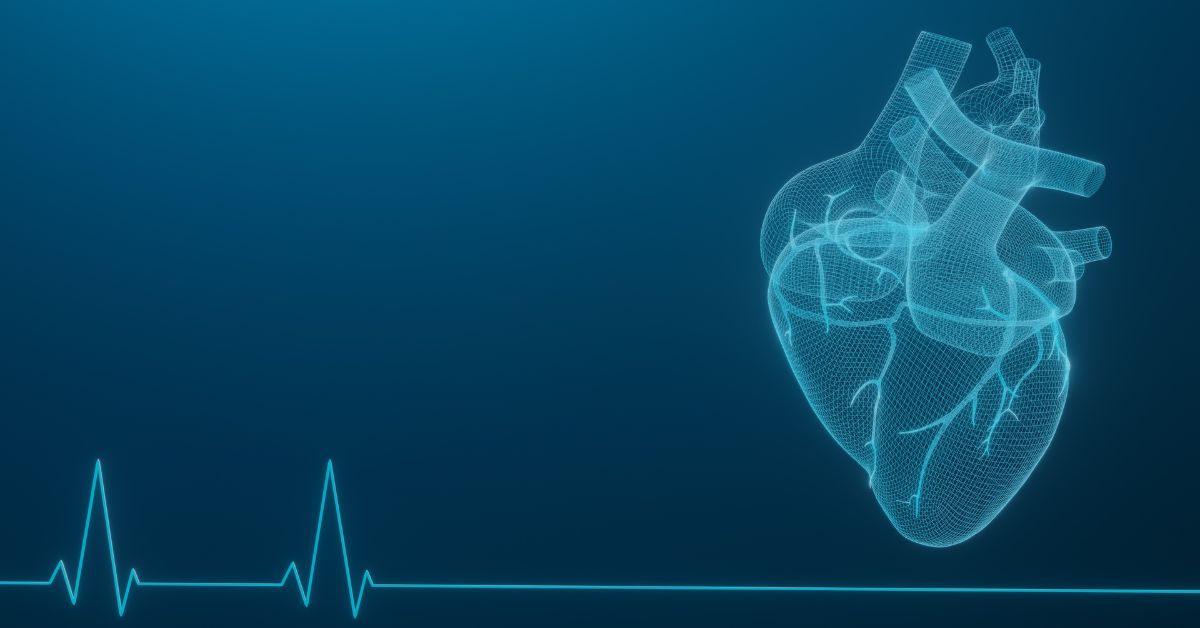
Understanding the heartbeat that keeps everything else in rhythm.
Your heart isn’t just a muscle — it’s an electrical powerhouse. Every beat begins with a tiny spark of electricity that travels through your heart’s chambers in perfect sequence.
But when those signals misfire, your rhythm can become too fast, too slow, or dangerously irregular. That’s where cardiac electrophysiology (EP) comes in.
Electrophysiology is the branch of cardiology that studies and treats the heart’s electrical system — helping patients with arrhythmias, fainting spells, or unexplained palpitations get back in sync.
Here’s what you should know about this life-saving specialty and how it keeps your heart running smoothly.
⚡ Your Heart’s Hidden Electrical Network
Every heartbeat begins with an impulse from the sinoatrial (SA) node, your body’s natural pacemaker. These signals travel through electrical “pathways” that tell your heart when and how to contract. When those pathways are disrupted, arrhythmias can occur.
👀 What to Watch For: Episodes of rapid heartbeat, fluttering in your chest, skipped beats, or lightheadedness.
💡 Pro Tip: Keep a record of when symptoms occur — after caffeine, stress, or exercise. This helps your doctor identify triggers and patterns.
❤️ When the Beat Goes Off Track
Arrhythmias can be harmless— or serious. Some cause fatigue or anxiety, while others increase your risk of stroke or sudden cardiac arrest.
Common types include atrial fibrillation (AFib), supraventricular tachycardia (SVT), and ventricular tachycardia (VT).
💬 Sound Familiar? You sometimes feel your heart “flip-flop” or race for no reason, but tests haven’t shown a structural problem.
💡 Pro Tip: Ask your doctor about a 24-hour Holter monitor or longer-term event recorder. These tools track your heart rhythm over time, catching what short ECGs might miss.
🩺 How Electrophysiologists Diagnose Problems
EP specialists use advanced tools to map your heart’s electrical activity in real time. Tests like ECGs, stress tests, or full electrophysiology studies help locate exactly where the rhythm is going wrong.
🤓 Interesting Note: During an electrophysiology study, tiny catheters are placed inside your heart to record its electrical signals — revealing issues invisible on surface tests.
💡 Pro Tip: These procedures are minimally invasive and often performed under light sedation. Most patients go home the same day.
🔥 Treating Irregular Heart Rhythms — For Good
When medication isn’t enough, electrophysiologists can perform catheter ablation — a precise technique that destroys the small area of tissue causing the abnormal rhythm. It’s highly effective for many types of arrhythmias.
👀 What to Watch For: Shortness of breath, fainting, or extreme fatigue— especially if you have known arrhythmia or heart disease.
💡 Pro Tip: If you’ve been living with irregular rhythms or relying on multiple medications, ablation may dramatically improve your energy and quality of life.
🫀 Your Heart’s Rhythm, Restored
Electrophysiology isn’t just about technology — it’s about giving you peace of mind. By identifying and correcting electrical irregularities, EP specialists help prevent strokes, reduce hospital visits, and keep your heart beating strong.
💬 Sound Familiar? You’ve been told you have “an irregular heartbeat,” but you’re not sure what it means — or what to do next.
💡 Pro Tip: Don’t wait. Early diagnosis by a cardiac electrophysiologist can prevent serious complications and set you on the path to better heart health
In Rhythm. In Balance. In Expert Hands.
Our cardiology team partners with Dr. Rogeolle Morris, our Cardiac Electrophysiology specialist, to diagnose and treat all types of irregular heart rhythms—using ECGs, Holter monitors, and ablation therapy.
👨⚕️ Meet our specialists: Dr. Morris provides expert care in electrophysiology and cardiovascular medicine.
📞 Call (242) 702-9310 to schedule your heart rhythm consultation to learn more about our comprehensive cardiac services.