
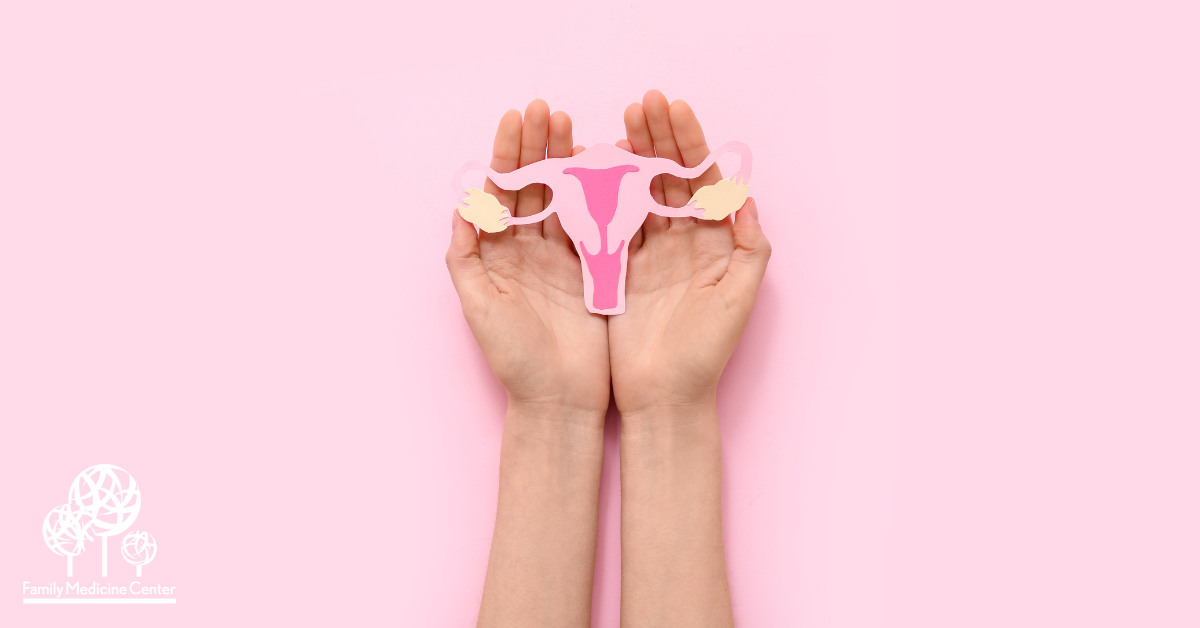
Endometriosis and Fertility: What You Need to Know
For many women, the journey to conceive is filled with hope, excitement, and sometimes unexpected challenges. For some, the difficulty in becoming pregnant leads to a diagnosis of endometriosis—a chronic inflammatory condition that can affect reproductive health in ways that aren’t always obvious. Understanding how endometriosis impacts fertility, as well as the available evaluation and treatment options, is an important step toward achieving a healthy pregnancy.
How endometriosis affects fertility
Endometriosis occurs when tissue similar to the lining of the uterus grows outside the uterus. This tissue can cause chronic inflammation, scar tissue, and cyst formation, all of which can interfere with conception. Some of the ways endometriosis may affect fertility include:
• Scar tissue blocking the fallopian tubes – This can prevent the egg from reaching the uterus for fertilization.
• Inflammation impairing egg quality – Chronic inflammation may disrupt the environment necessary for healthy eggs.
• Ovarian cysts (endometriomas) – These cysts can damage ovarian reserve, reducing the number of viable eggs.
• Hostile pelvic environment – Inflammation and tissue growth can make it more difficult for an embryo to implant successfully.
While endometriosis can present challenges, it does not make pregnancy impossible. Many women with endometriosis conceive naturally, and others achieve pregnancy with the support of medical interventions.
Diagnosis and evaluation
Identifying endometriosis is key to managing its impact on fertility. Doctors may use a combination of approaches to evaluate reproductive health:
• Pelvic exams – Help detect abnormalities in the uterus, ovaries, or surrounding tissue.
• Ultrasound – Can identify cysts or other structural changes related to endometriosis.
• MRI – Provides a detailed view of pelvic organs and can help locate deeper lesions.
• Laparoscopy – Considered the gold standard for diagnosis, this minimally invasive surgery allows direct visualization of endometrial tissue and may also allow for removal of lesions.
Through careful evaluation, healthcare providers can determine the severity of endometriosis, identify potential fertility barriers, and develop a personalized treatment plan.
Treatment and support
Treatment options vary depending on the severity of the condition, reproductive goals, and overall health. Some women conceive naturally after surgical removal of endometriotic tissue, while others may benefit from assisted reproductive technologies such as in vitro fertilization (IVF).
Supportive lifestyle measures, including managing inflammation, maintaining a healthy diet, and gentle exercise, may also improve reproductive outcomes. Open communication with your healthcare team ensures that both medical and emotional aspects of the fertility journey are addressed.
Take action today
Endometriosis may complicate fertility, but many women go on to have healthy pregnancies with the right care and support. Early evaluation, timely treatment, and proactive management make a meaningful difference in outcomes.
If you or someone you know is navigating endometriosis and fertility challenges, professional guidance is available.
• Nassau: Call 702-9310
• Eleuthera: Call 334-2500
Getting the right information, support, and care is the first step toward achieving your family-building goals. With awareness and proper medical guidance, endometriosis does not have to stand in the way of a healthy pregnancy.