
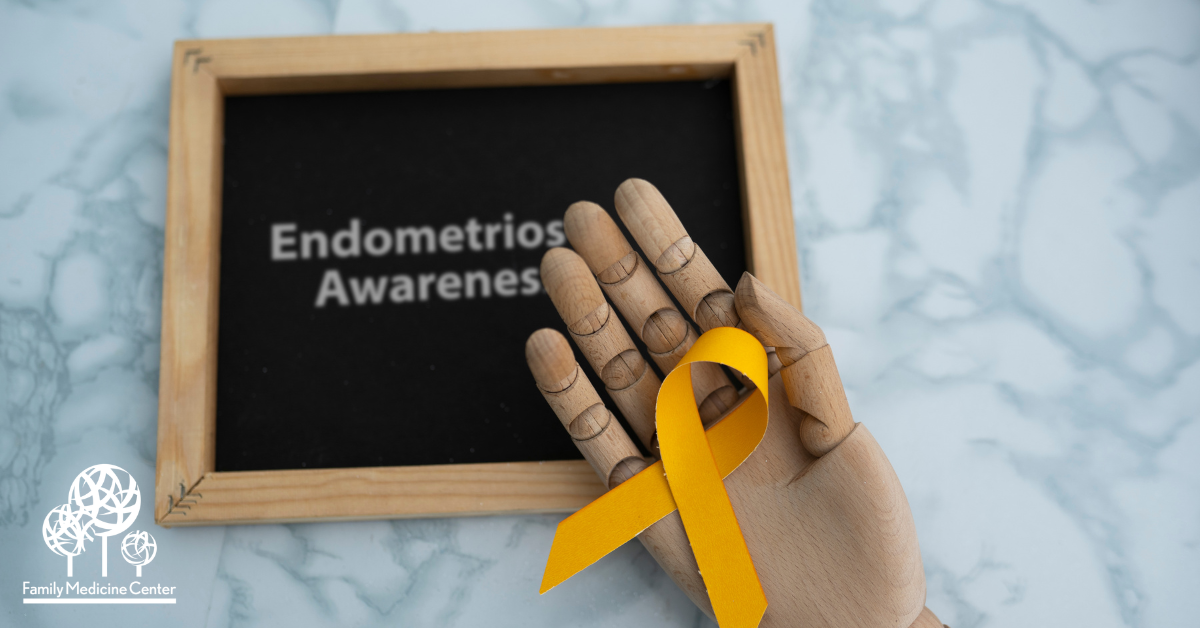
Endometriosis: Understanding the Daily Impact
Endometriosis is often misunderstood as “just painful periods,” but for many women, it is a chronic inflammatory condition that affects daily life well beyond menstruation. This condition can influence physical health, mental well-being, and social activities, making it one of the most challenging reproductive health issues to manage. Recognizing the full scope of endometriosis is an important step toward proper care, support, and symptom management.
It’s more than reproductive health
Endometriosis occurs when tissue similar to the lining of the uterus grows outside the uterus, leading to chronic inflammation. While it is commonly associated with pelvic pain, its effects often extend to other systems in the body:
• Digestive system: Bloating, nausea, and symptoms similar to irritable bowel syndrome (IBS) are common.
• Urinary system: Painful urination can occur when endometrial tissue affects the bladder.
• Nervous system: Chronic fatigue and neuropathic pain may develop due to persistent inflammation.
• Mental health: Anxiety, depression, and stress are frequent, especially when pain and fatigue are invisible to others.
The chronic nature of endometriosis means that symptoms do not end when a period does. For many women, the inflammation continues, resulting in ongoing exhaustion, brain fog, body aches, and heightened stress responses. The emotional burden can be as significant as the physical symptoms, especially when others minimize or dismiss the condition.
Supportive lifestyle approaches
While there is currently no cure for endometriosis, certain lifestyle strategies may help reduce inflammation and improve quality of life:
• Anti-inflammatory diet: Consuming whole foods, vegetables, and omega-3-rich foods can help reduce systemic inflammation.
• Regular gentle movement: Activities like walking, yoga, or low-impact exercise may help manage pain and improve circulation.
• Pelvic floor therapy: Targeted therapy can relieve tension and improve comfort.
• Stress reduction practices: Meditation, mindfulness, or deep breathing exercises can help mitigate the emotional impact of chronic pain.
• Sleep prioritization: Restorative sleep supports overall healing and energy levels.
These approaches do not replace medical treatment but can complement care plans and empower women to manage symptoms effectively.
Advocacy and awareness matter
Endometriosis has historically been underfunded in research and often misunderstood by the public. Many women are told things like:
• “It’s just cramps.”
• “You’ll grow out of it.”
• “Have a baby—it’ll fix it.”
These statements are not medical advice—they are dismissive. Raising awareness, advocating for early diagnosis, and educating the public are essential steps toward ensuring women receive timely, evidence-based care. Open conversations about endometriosis help reduce stigma and encourage better treatment options, validation, and support.
Take action today
If you or someone you know is living with endometriosis, professional guidance and support are available. Understanding the condition, learning effective management strategies, and receiving compassionate care can significantly improve quality of life.
For support and medical care:
• Nassau: Call 702-9310
• Eleuthera: Call 334-2500
Early diagnosis, proper management, and lifestyle support can make a meaningful difference for those living with endometriosis. You are not alone, and help is available.