
Heavy Periods and Fibroids: When to Talk to Your Provider
Heavy menstrual bleeding is often normalized or dismissed as something women simply have to manage. However, excessive bleeding is not something you have to live with. While every woman’s menstrual cycle is different, consistently heavy or prolonged periods can sometimes be a sign of an underlying condition, such as uterine fibroids.
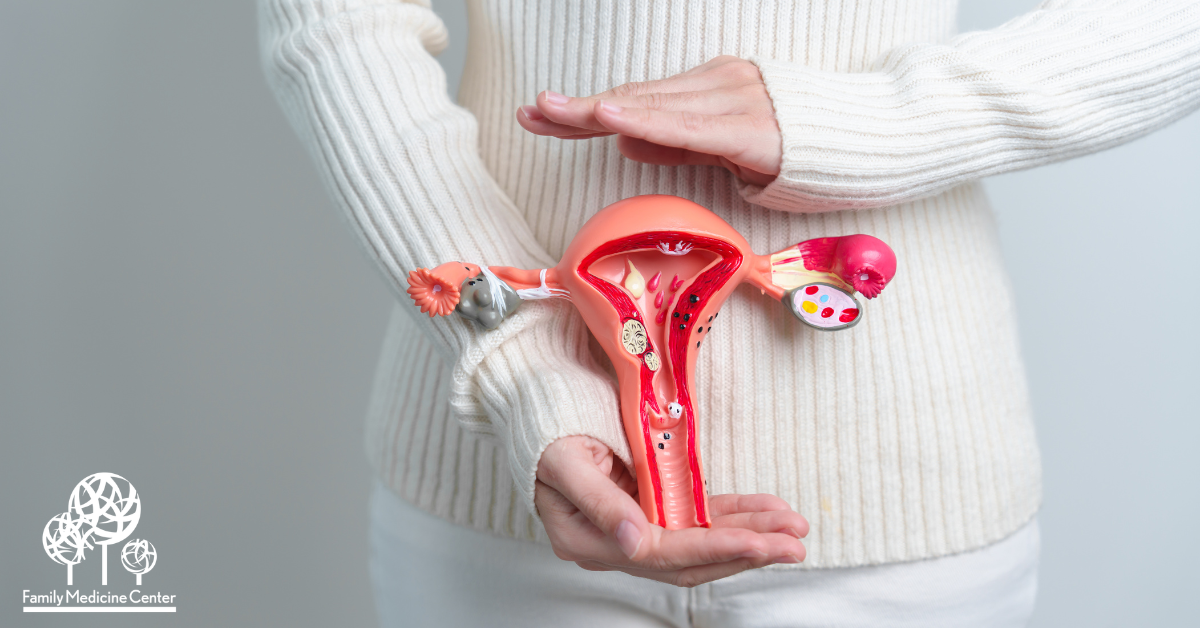
Fibroids are noncancerous growths that can develop in or around the uterus. Depending on their size and location, they may contribute to heavier menstrual bleeding, pelvic pressure, or other symptoms that affect daily life and overall well-being.
Recognizing when symptoms may need medical attention is an important step in protecting your health.
Signs you should talk to your provider
If you notice changes in your menstrual cycle or symptoms that interfere with daily activities, it may be helpful to speak with a healthcare provider. Some signs that deserve attention include:
• Periods lasting longer than 7 days
• Needing to change pads or tampons every hour or more frequently
• Passing large blood clots during your period
• Persistent pelvic pressure or fullness
• Symptoms of anemia, such as fatigue, weakness, or dizziness
Heavy bleeding over time can lead to anemia, which occurs when the body does not have enough healthy red blood cells. This can cause ongoing fatigue, shortness of breath, and reduced energy levels.
How fibroids are diagnosed
If fibroids are suspected, a healthcare provider may recommend several tests to better understand what is causing the symptoms. Diagnosis typically begins with a medical history and physical examination.
Additional evaluation may include:
• Pelvic exam to check the uterus and surrounding structures
• Ultrasound imaging to visualize the uterus and detect fibroids
• MRI scans in certain cases to provide more detailed imaging
These tests help determine whether fibroids are present, as well as their size, number, and location. This information is important when considering treatment options.
Treatment options
Treatment for fibroids varies depending on each individual’s situation. Factors that influence treatment decisions may include:
• The severity of symptoms
• The size and location of the fibroids
• Age and overall health
• Whether future pregnancy is desired
Because every situation is different, treatment plans are tailored to meet each patient’s needs and goals.
Possible treatment options may include:
• Hormonal medications to help regulate bleeding
• Non-hormonal medications that reduce heavy menstrual flow
• Minimally invasive procedures to shrink or remove fibroids
• Surgical options, such as a myomectomy (removal of fibroids) or hysterectomy (removal of the uterus)
There is no one-size-fits-all solution when it comes to managing fibroids or heavy menstrual bleeding. Open communication and shared decision-making between you and your healthcare provider can help identify the approach that best supports your health and lifestyle.