
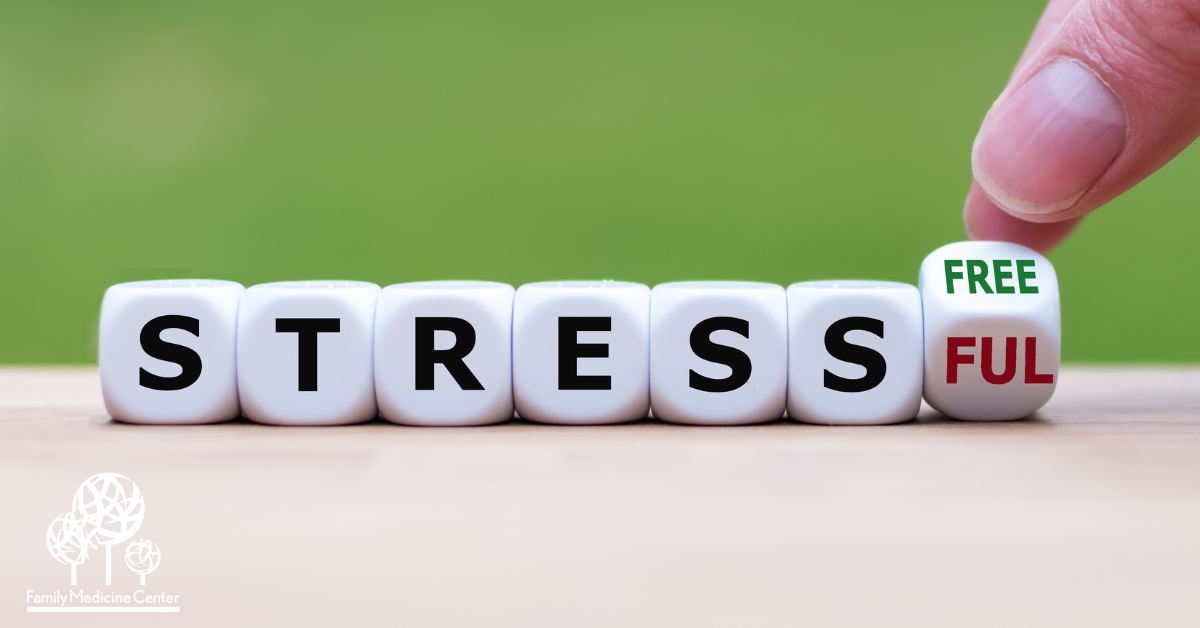
Stress has become a normal part of everyday life for many people. Between work responsibilities, family obligations, financial pressures, and constant notifications, it can feel difficult to truly relax. While some stress is unavoidable, chronic stress can begin to affect your physical health, mental well-being, sleep, relationships, and overall quality of life.
The good news is that reducing stress does not always require major lifestyle changes. Often, small daily habits can make a significant difference over time. Creating routines that help you slow down, recharge, and care for yourself can improve your mood, increase energy levels, and help you better handle life’s challenges.
Start Your Day Without Rushing
How you begin your morning can set the tone for the rest of the day. Waking up late, skipping breakfast, and rushing out the door can leave you feeling stressed before the day has even started.
Try creating a calmer morning routine by:
- Waking up 15–20 minutes earlier
- Drinking water before coffee
- Stretching or taking a short walk
- Eating a balanced breakfast
- Avoiding your phone for the first few minutes of the day
Starting your day with intention instead of chaos can help you feel more grounded and in control.
Move Your Body Regularly
Exercise is one of the most effective ways to reduce stress. Physical activity helps release endorphins, which are chemicals in the brain that improve mood and help reduce feelings of tension and anxiety.
You do not need an intense workout to feel the benefits. Even small amounts of movement throughout the day can help.
Some simple ways to stay active include:
- Taking a 20-minute walk
- Stretching between meetings or tasks
- Dancing to your favorite music
- Practicing yoga
- Swimming, biking, or gardening
- Taking the stairs instead of the elevator
Regular movement can also improve sleep, boost energy, and support better overall health.
Make Time for Deep Breathing
When people feel stressed, they often breathe quickly and shallowly without realizing it. Deep breathing helps slow your heart rate, relax your muscles, and signal to your body that it is safe to calm down.
One simple breathing technique is to inhale slowly through your nose for four seconds, hold for four seconds, and exhale slowly for four seconds. Repeating this for a few minutes can help reduce feelings of stress and anxiety.
Deep breathing can be especially helpful:
- Before a meeting or presentation
- During traffic or long commutes
- Before bed
- When you feel overwhelmed
- After receiving upsetting news
Prioritize Quality Sleep
Lack of sleep and stress often go hand in hand. When you are stressed, it can be harder to sleep. When you are tired, everyday challenges can feel even more overwhelming.
Creating a healthy sleep routine can make a major difference in how you feel physically and emotionally.
To improve sleep quality:
- Go to bed and wake up at the same time each day
- Limit screen time before bed
- Avoid caffeine late in the day
- Keep your bedroom cool and comfortable
- Try reading or listening to calming music before sleep
Even one extra hour of quality sleep can help improve mood, concentration, and patience.
Limit Information Overload
Constant exposure to news, social media, emails, and text messages can make stress worse. While staying informed is important, being connected all the time can leave your mind feeling overwhelmed.
Consider setting boundaries around screen time and digital notifications. You may find it helpful to:
- Turn off non-essential notifications
- Take breaks from social media
- Avoid checking work emails after hours
- Spend time away from screens each day
- Create “phone-free” moments during meals or before bed
Reducing digital overload can help your mind rest and improve focus.
Eat Regular, Balanced Meals
Skipping meals or relying on sugary snacks can lead to low energy, irritability, and mood swings. Eating balanced meals throughout the day helps keep your blood sugar stable and supports both physical and mental health.
Aim to include:
- Fruits and vegetables
- Whole grains
- Lean proteins
- Healthy fats
- Plenty of water
Certain foods like caffeine, alcohol, and highly processed snacks may worsen feelings of anxiety or stress in some people.
Stay Connected to Others
Talking with friends, family, or trusted loved ones can help you feel supported during stressful times. You do not have to handle everything alone.
Sometimes, even a quick conversation, coffee date, or phone call can make you feel less overwhelmed. Spending time with people who make you feel calm, understood, and encouraged can improve emotional well-being.
If stress begins to feel unmanageable, speaking with a counselor or mental health professional can also be extremely helpful.
Remember That Small Habits Add Up
Stress reduction is not about being perfect. It is about finding small, healthy habits that work for you and making them part of your daily routine. Even simple changes like drinking more water, getting outside, taking deep breaths, or going to bed earlier can have a positive impact over time.
The key is consistency. Caring for your mental health every day can help you feel more balanced, resilient, and prepared to handle whatever life brings your way.