Dementia care is entering a transformative new phase — one that offers renewed hope for patients and families across The Bahamas.
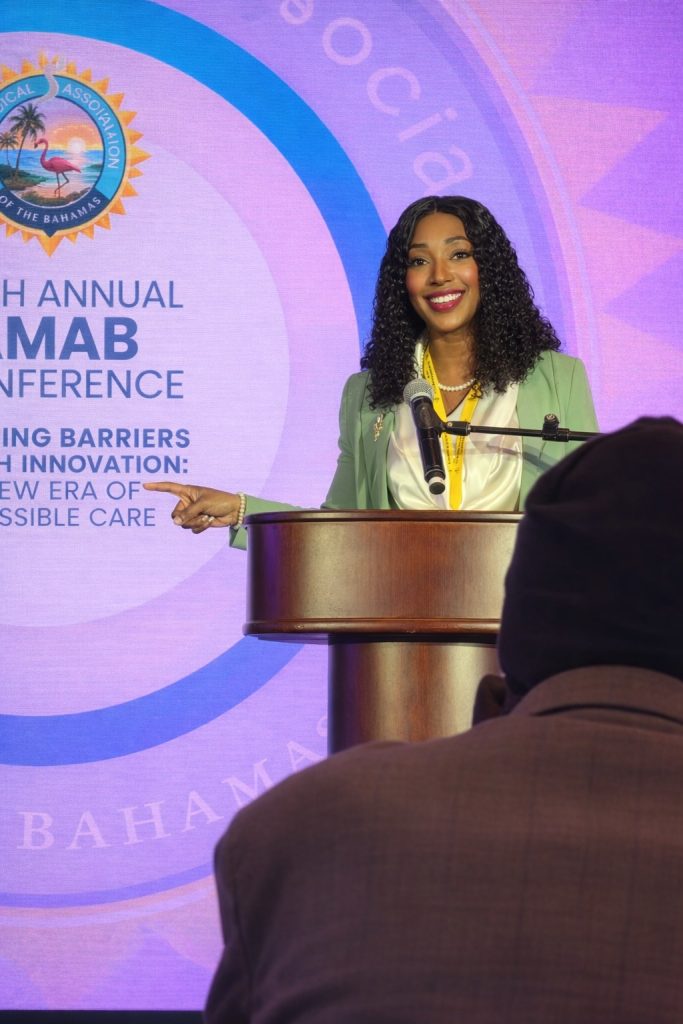
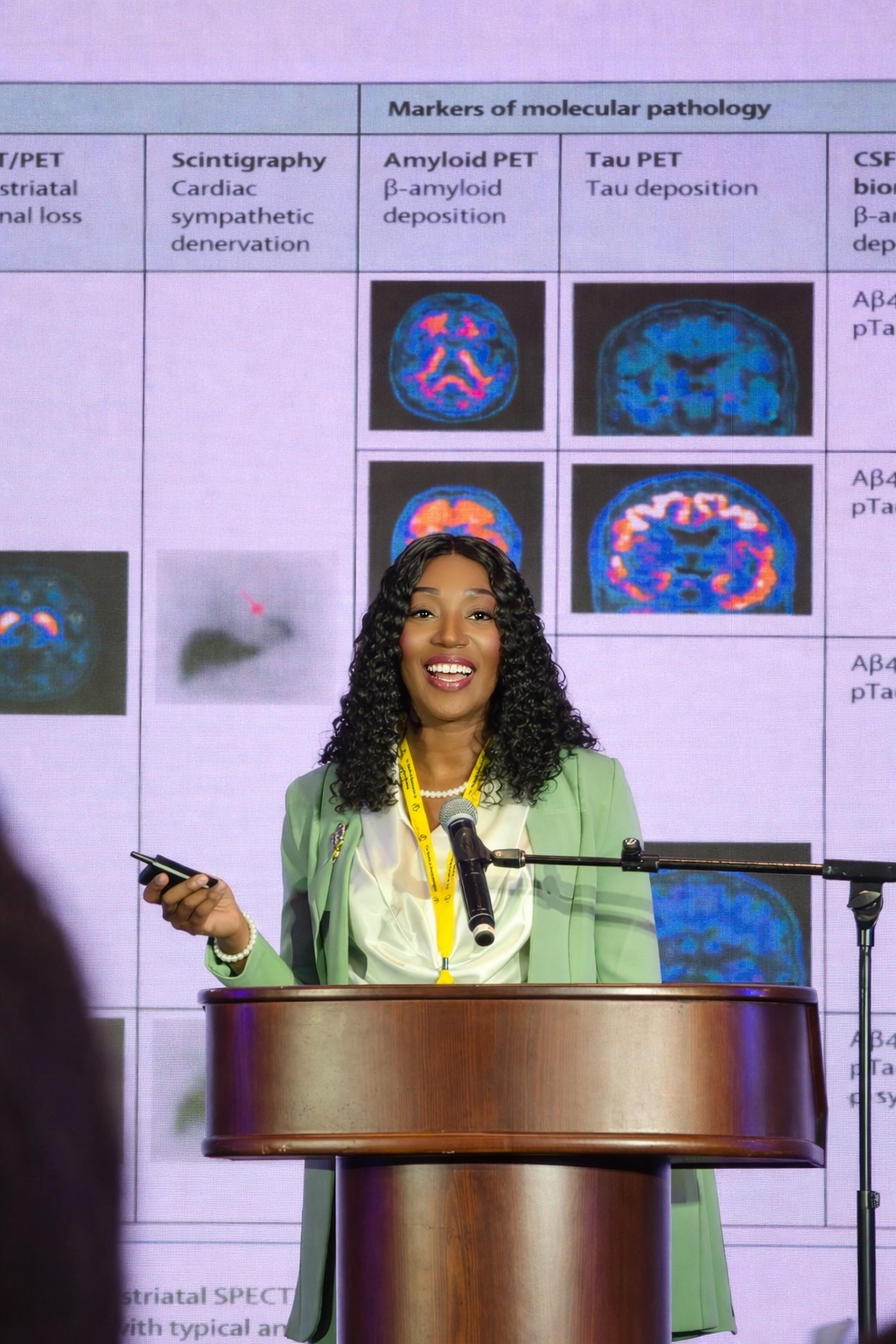
At the 54th Annual Scientific Conference of the Medical Association of the Bahamas (MAB), Dr. Sanita Belgrave-King, Family Medicine Specialist and Geriatrician at Family Medicine Center (FMC), presented ground-breaking developments in dementia care that are poised to change how the condition is diagnosed and managed locally.
Earlier Detection. Better Outcomes.
For many families, dementia has traditionally been diagnosed late in the disease, often after noticeable memory loss and functional decline.
However, new advances now make it possible to detect Alzheimer’s disease years — even decades — before symptoms begin.
Through emerging blood-based biomarkers and scans, clinicians can identify early changes in the brain using simple, minimally invasive tests, allowing patients to:
- Seek care earlier
- Plan for the future
- Access interventions sooner
- Reduce uncertainty and anxiety
Treatment That Goes Beyond Symptoms
For the first time, treatments are being developed that do more than manage symptoms — they aim to slow the progression of the disease itself.
These disease-modifying therapies target the underlying causes of Alzheimer’s disease and have shown the ability to: - Slow cognitive decline
- Preserve independence longer
- Improve quality of life for patients and caregivers
While these therapies are most effective in the early stages, their availability represents a major shift in what is possible in dementia care.
What This Means for Patients in The Bahamas
Family Medicine Center is actively working toward bringing elements of this new era of care closer to home.
This includes:
- Integrating early screening and risk assessment
- Preparing for biomarker-based testing
- Enhancing personalized dementia care plans
- Supporting patients and families through education and early intervention strategies
These steps are part of FMC’s broader commitment to ensuring that Bahamian patients are not left behind as global standards of care evolve.
Prevention Still Matters
Importantly, research shows that up to 40% of dementia cases may be linked to modifiable risk factors.
This means patients can take proactive steps today, including: - Managing chronic conditions (e.g., hypertension, diabetes)
- Staying physically active
- Maintaining social engagement
- Supporting brain health through lifestyle choices
A Message of Hope
Dementia is no longer viewed as an inevitable and untreatable condition.
As Dr. Belgrave-King emphasized during her presentation:
“We are moving into an era where early detection, targeted treatment, and prevention can change the trajectory of this disease — preserving not just life, but quality of life.”
The future of dementia care is closer than you think.