
Colonoscopy: A Powerful Tool for Preventing Colorectal Cancer
It may not be glamorous, but a colonoscopy is one of the most important preventive tools in modern medicine. While many people may feel hesitant about the procedure, it plays a critical role in detecting and preventing colorectal cancer before symptoms even appear. Understanding what a colonoscopy is, who should get one, and what to expect can make the process less intimidating and highlight its value for long-term health.
What is a colonoscopy?
A colonoscopy is a screening procedure that allows a healthcare provider to examine the inside of your colon using a small, flexible camera. This procedure provides a detailed view of the colon lining, helping doctors identify abnormalities, early signs of cancer, and other digestive concerns.
During a colonoscopy, physicians can detect:
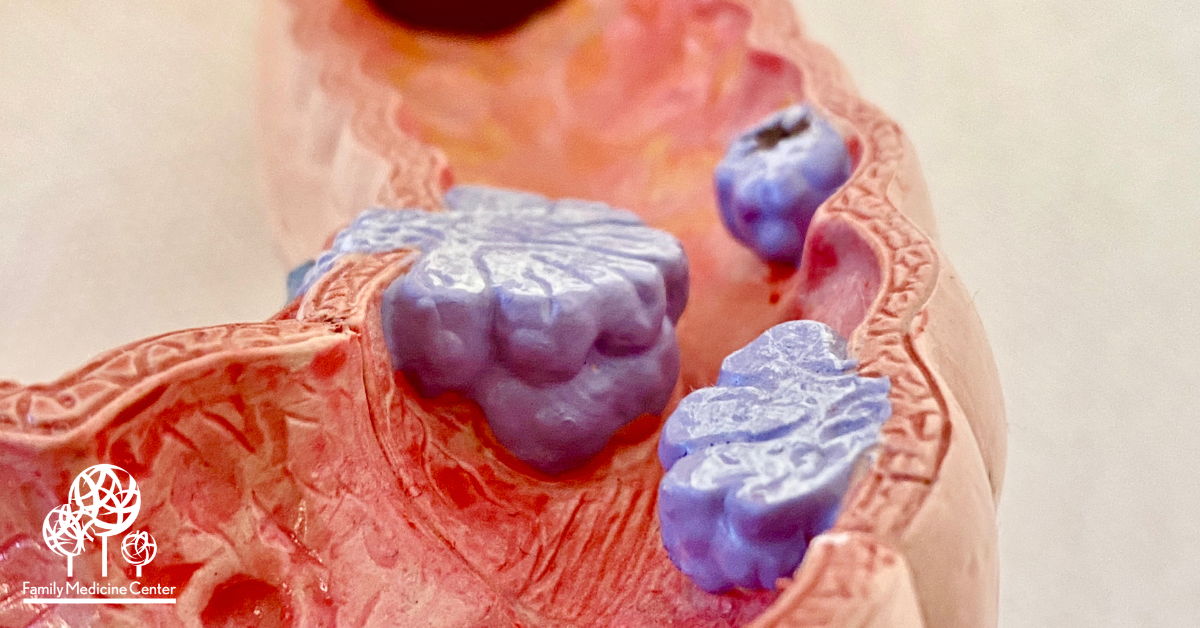
• Polyps – Small growths that can potentially become cancerous if left untreated
• Early signs of colorectal cancer – Detecting cancer at an early stage dramatically improves outcomes
• Inflammation or bleeding – Which may indicate other digestive conditions
• Other digestive issues – Such as ulceration or abnormal tissue
Unlike many other tests, colonoscopy not only detects potential problems but can also prevent cancer by removing polyps during the procedure. This combination of early detection and prevention makes it a uniquely powerful screening tool.
Who should get a colonoscopy?
Current guidelines recommend that most adults begin colorectal cancer screening at age 45. However, certain individuals may need to start earlier depending on their medical history and risk factors.
Early screening may be recommended if you have:
• A family history of colorectal cancer
• A personal history of polyps
• Inflammatory bowel disease, such as Crohn’s disease or ulcerative colitis
• Certain genetic conditions that increase colorectal cancer risk
Discussing your family and personal medical history with your healthcare provider can help determine the best time to begin screening and how often it should be repeated.
What to expect during the procedure
For many people, uncertainty about the procedure is a major barrier to screening. Understanding the process can help reduce anxiety.
Typical steps include:
• Preparation the day before – A simple prep ensures the colon is clear for a thorough examination
• Sedation during the procedure – Most patients are comfortable and relaxed throughout the test
• Procedure duration – The colonoscopy usually takes about 30–45 minutes
• Recovery – Most people return to normal activities the next day
While it may require some planning, the colonoscopy is generally a straightforward procedure with minimal downtime and significant health benefits.
Why it matters
Colonoscopy is unique because it not only detects cancer early but can also prevent it by removing polyps before they become cancerous. One appointment can provide long-term protection for your digestive health, offering peace of mind and reducing future health risks.
Take action today
If you are due for a colorectal cancer screening or want to discuss your options, scheduling a colonoscopy is an important step toward protecting your health.
Book your digestive health appointment today by calling (242) 702-9310 or visiting fmcbahamas.org. Early screening and preventive care are the most effective ways to safeguard your colon health for years to come.